We may earn a commission from links on this page. It never affects the Sqwod Score or the ranking.
The picks
#1 Percussion + heat

Theragun Prime Plus
86/100 Crowd 87 Assessment 87 Value 78 €348.99
Deep 16mm percussion plus fast heat in a grip you can hold all session.
- Power9
- Ergonomics9
- Value7.2
- Build8.8
- Experience8.8
- Coach fit8.8
Pros
- 16mm amplitude + 40 lb stall force — genuinely deep
- Built-in heat speeds warm-up and recovery
- Triangle grip is easy to hold; ~2 lb, 150-min battery
Cons
- Premium price vs. capable budget guns
- App is nice-to-have, not essential
Buy it if You're a coach or serious trainee who wants pro-grade percussion + heat in one tool. Skip it if You only need occasional light massage — a budget gun will do.
#2 Foam rolling
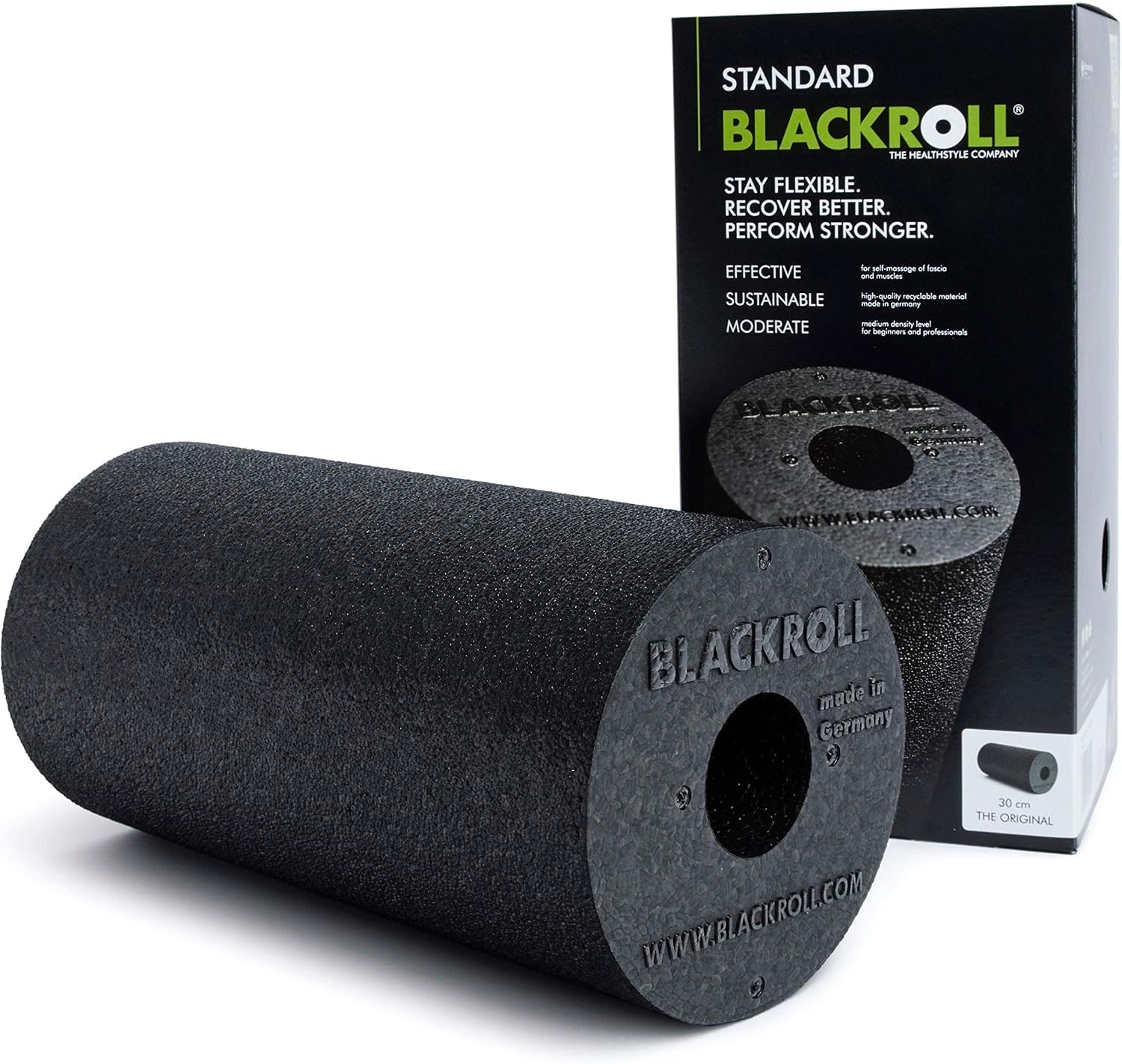
BLACKROLL Standard
84/100 Crowd 88 Assessment 83 Value 77 €25.45
The German original — durable, medium-firm, physio-trusted foam roller.
- Effectiveness8.4
- Durability9.2
- Build8.8
- Value7
- Versatility8.3
Pros
- Effective medium firmness for muscle and fascia release
- High-quality, recyclable EPP foam — made in Germany
- Virtually unbreakable; survives daily studio use
Cons
- Price premium over an equally-effective generic roller
- Medium firmness can feel intense for beginners (a softer MED tier exists)
Buy it if You coach or run a studio and want one durable, hygienic, medium-firm all-rounder that survives daily multi-client use. Skip it if You’re a complete beginner or very sensitive — start on the softer MED roller first.
#3 Compression recovery
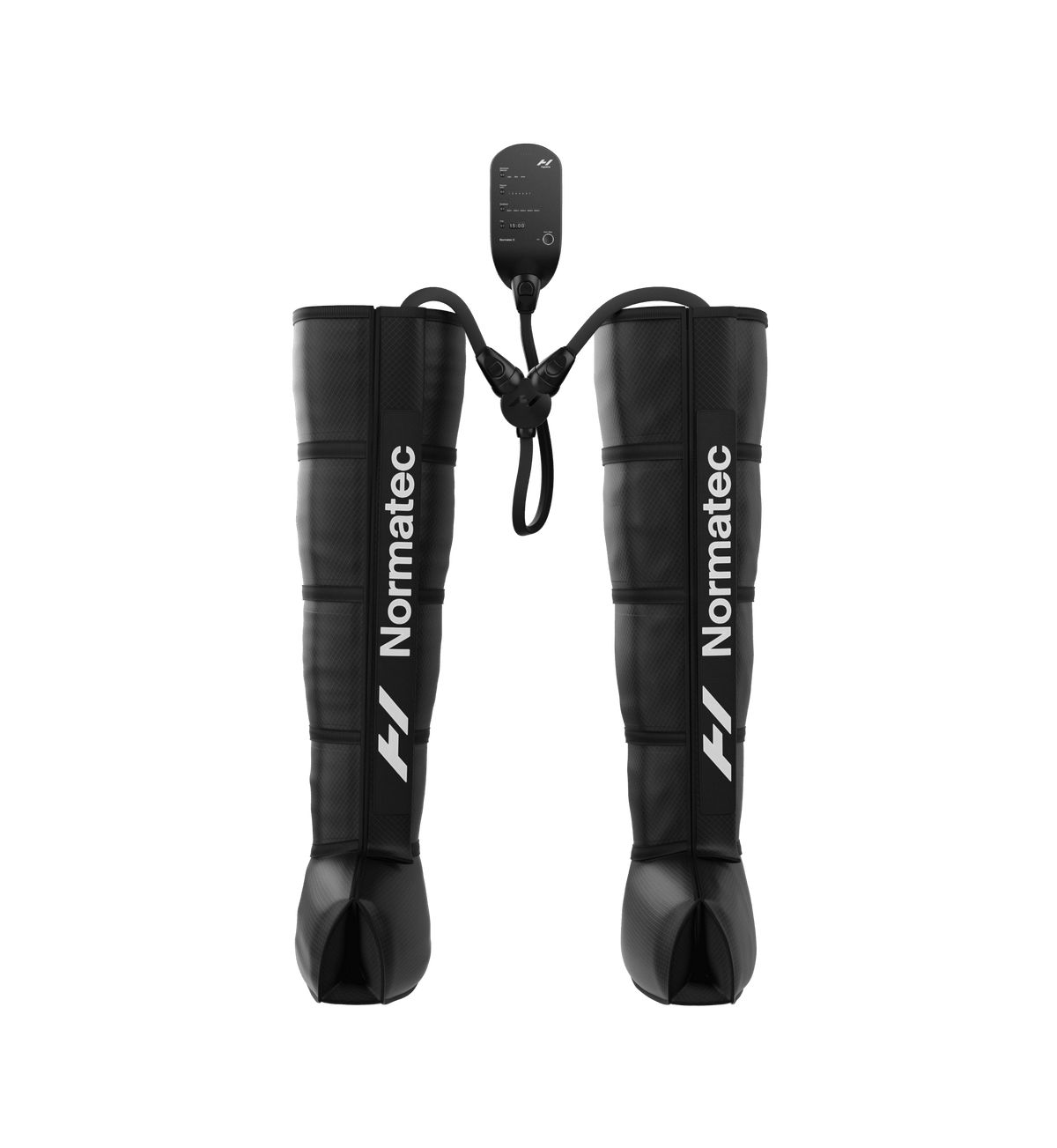
Hyperice Normatec 3
81/100 Crowd 94 Assessment 74 Value 62 €899
Premium, user-loved pneumatic compression boots — cordless with app control.
- Effectiveness7
- Build quality9
- Ease of use8
- Portability7
- Value6
Pros
- High-quality, durable materials with a comfortable, well-fitting design
- Smooth, massage-like compression with 7 intensity levels and ZoneBoost targeting
- Easy Hyperice app control with custom routines and long battery life
Cons
- Very expensive (RRP around €999; typically €719-899 on the street)
- Bulky boots take up space and the control pod has no display screen
Buy it if Runners, cyclists and high-frequency trainers who will use it consistently and want legs that feel fresher the next day. Skip it if Casual exercisers or budget-conscious buyers expecting a proven, measurable performance boost.
#4 Everyday percussion

Hyperice Hypervolt 2
75/100 Crowd 74 Assessment 78 Value 68 €219
Quiet, light, app-guided percussion for warm-ups and client recovery.
- Power7.5
- Noise8.5
- Build8
- Experience8.2
- Value6.8
- Battery8
Pros
- Genuinely quiet for the power — ~53 dB on low (QuietGlide)
- Light 0.81 kg body + ~3 h battery for all-day coaching use
- Five heads and Bluetooth app guidance — beginner- and client-friendly
Cons
- Premium price (€219) for only three speeds and modest force
- Low stall force — bogs down under hard deep-tissue pressure
Buy it if You want a quiet, light, app-guided gun for warm-ups and client recovery rather than max-pressure deep-tissue work. Skip it if You need high stall force for heavy deep-tissue work, or you want the same 12 mm / 3-speed output for less money.
#5 Wireless EMS
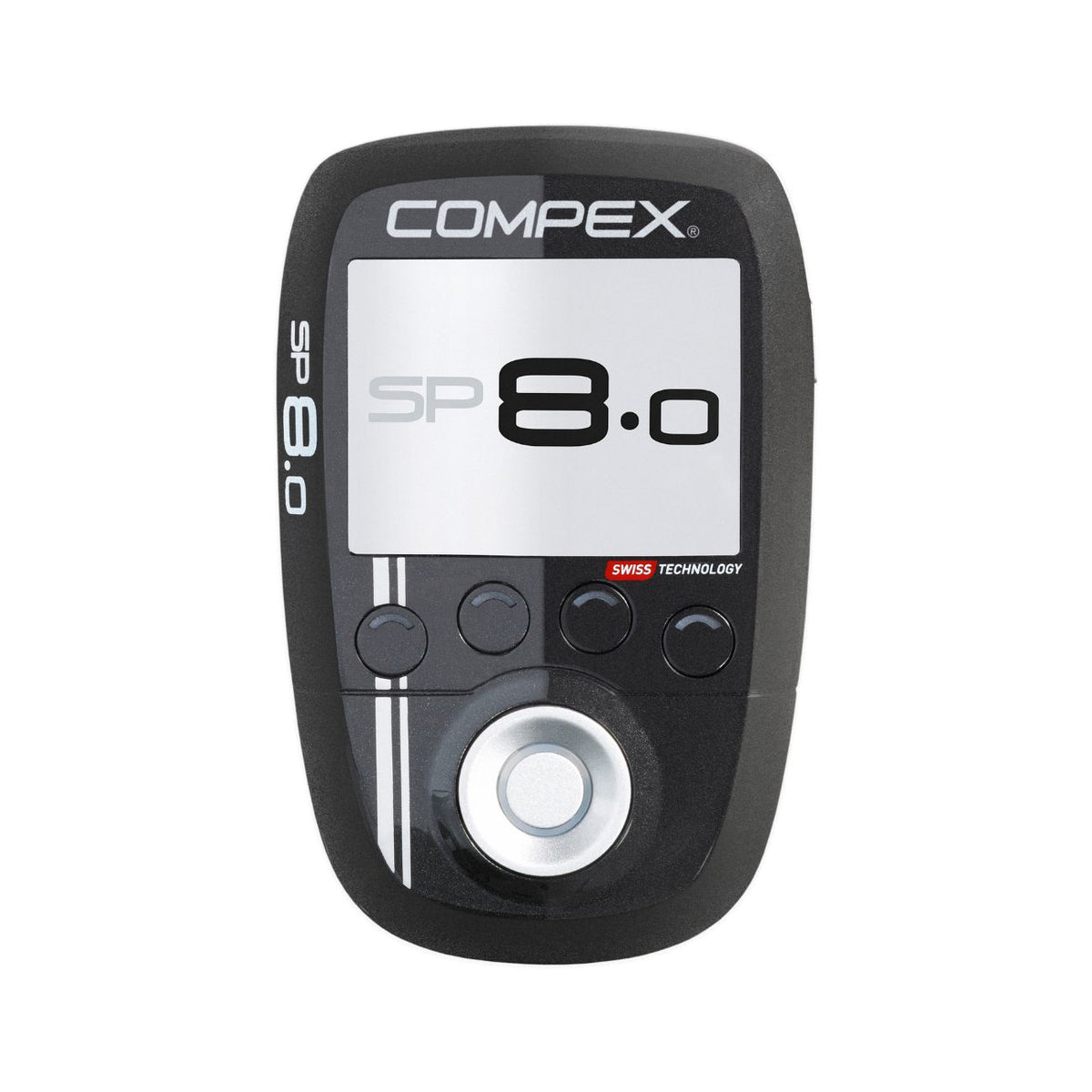
Compex SP 8.0 Wireless
73/100 Crowd 80 Assessment 71 Value 55 €890.39
Compex's most capable wireless EMS unit — a premium training adjunct.
- Versatility8.8
- Wireless build8.5
- Ease of use6
- Evidence (adjunct)6.5
- Value5.5
Pros
- Truly wireless with 4 independent modules — freedom of movement
- Broadest program library in the range (40 programs: strength, recovery, TENS, rehab)
- Mi-sensor auto-calibration tailors intensity per user
Cons
- Expensive — €890–1,200
- Consumable self-adhesive electrodes are a recurring cost
Buy it if You are a committed athlete who’ll use EMS alongside real training for supplementary strength, targeted TENS pain relief and recovery — and can absorb the price. Skip it if You want a cheap, standalone shortcut to fitness or recovery — a lower Compex (Sport Elite) or wired unit delivers most of the science-backed benefit for less.
#6 Vagus-nerve relaxation
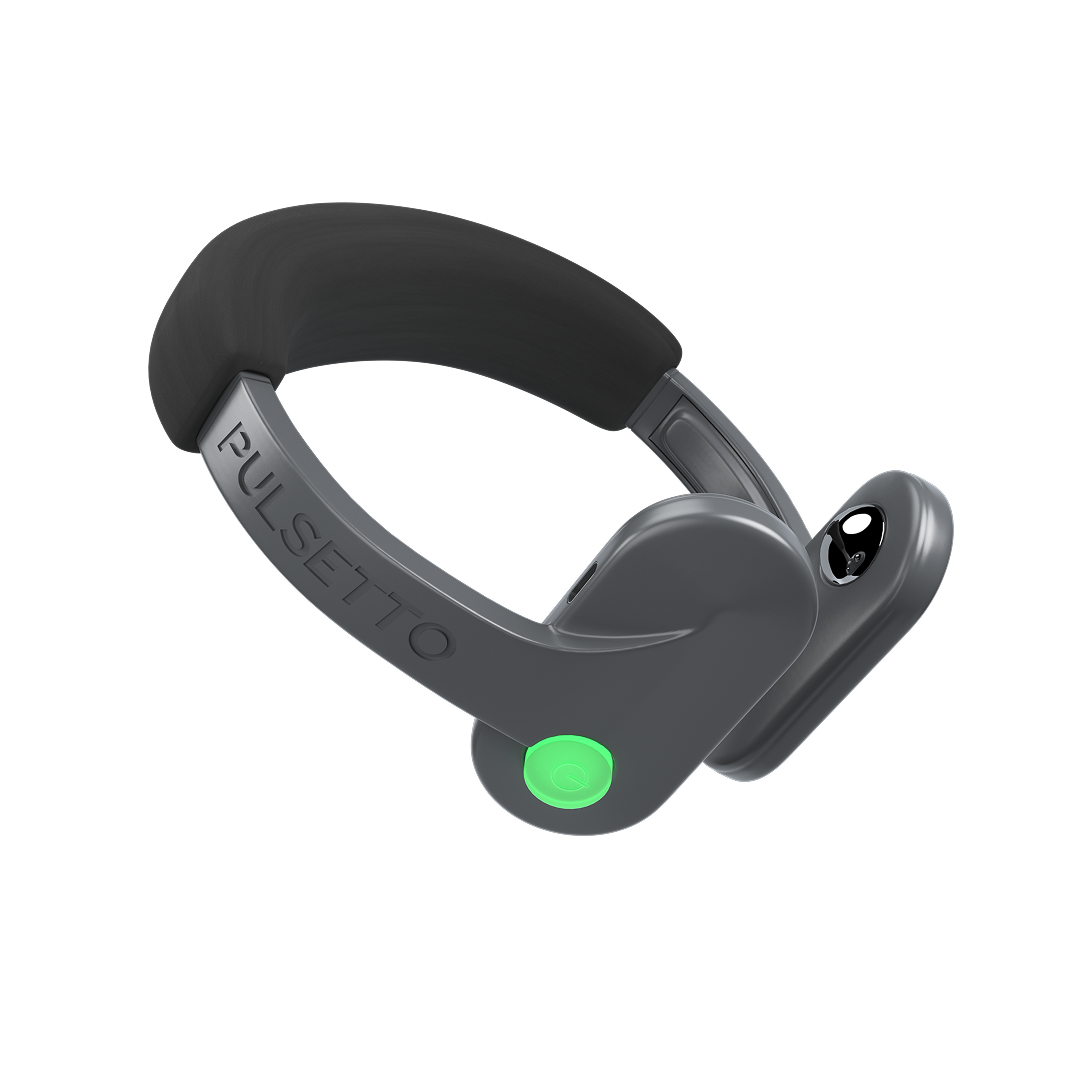
Pulsetto Vagus Nerve Stimulator
72/100 Crowd 80 Assessment 60 Value 78 €269
A hands-free, well-loved relaxation aid at half the price of rivals — a low-risk try (see our honest evidence note).
- Ease of use7
- Build/app6
- Subjective effect6
- Evidence base3
- Value8
Pros
- Hands-free neck-worn design, sessions only 4–10 min
- Roughly half the yearly cost of rivals like Truvaga or VeRelief
- Large user base with a solid ~4.2/5 Trustpilot score
Cons
- No independent peer-reviewed trials — evidence is company-funded and thesis-level
- Effects are modest and inconsistent; some testers feel little
Buy it if Buy it if you want a low-commitment, low-cost gadget to add to a stress and sleep routine and you're comfortable that the effect may be subtle. Skip it if Skip it if you expect clinically proven results or a fix for a diagnosed condition — the evidence isn't there yet.
For coaches and studio owners
In a studio a recovery tool is shared equipment, and that changes every criterion. Battery becomes throughput — how many client sessions between charges. Attachments become a hygiene question, so favour heads you can actually wipe down between people. Build quality is judged against dozens of sessions a week, not weekly home use, and most consumer warranties quietly exclude commercial settings — check before you buy, not after something fails. Price it per member-session across the expected service life; a device at twice the cost that survives three times as long is the cheaper machine.
Frequently asked questions
Do massage guns actually work?
For how you feel, yes — the evidence for reduced perceived soreness and short-term improvements in range of motion is reasonably consistent. For actually accelerating tissue repair or clearing metabolic waste, the evidence is much weaker than the marketing suggests. Buy one because moving more comfortably has value, not because it will make you recover faster.
How long should I use a massage gun on one area?
Roughly 30 to 90 seconds per area, kept moving rather than pressed into one spot. Longer and harder is not better and can leave the muscle more irritated than when you started. Short and frequent beats long and aggressive.
Is it safe to use a massage gun on your neck?
Only on the upper trapezius — the muscle across the back and outer slope of the shoulders — and only on the lowest speed with a soft, broad head and light pressure. Never on the front or sides of the neck, where the carotid arteries run, and never on the throat, the spine itself or the base of the skull. Stop immediately for sharp pain, numbness, tingling or dizziness.
Massage gun or foam roller — which should I buy first?
A foam roller if you are buying one thing and want the broadest use for the least money; it covers large surfaces well and costs a fraction. A massage gun if you want targeted work you can do in ninety seconds without getting on the floor — which, realistically, is why people use it more often.
Who should avoid percussion therapy entirely?
Anyone on blood thinners or with a clotting disorder, a history of stroke or carotid artery disease, osteoporosis, a recent injury, or an implant in the area — check with a clinician first. Always avoid acute injuries, bruising, swelling and numb areas regardless of health status.